
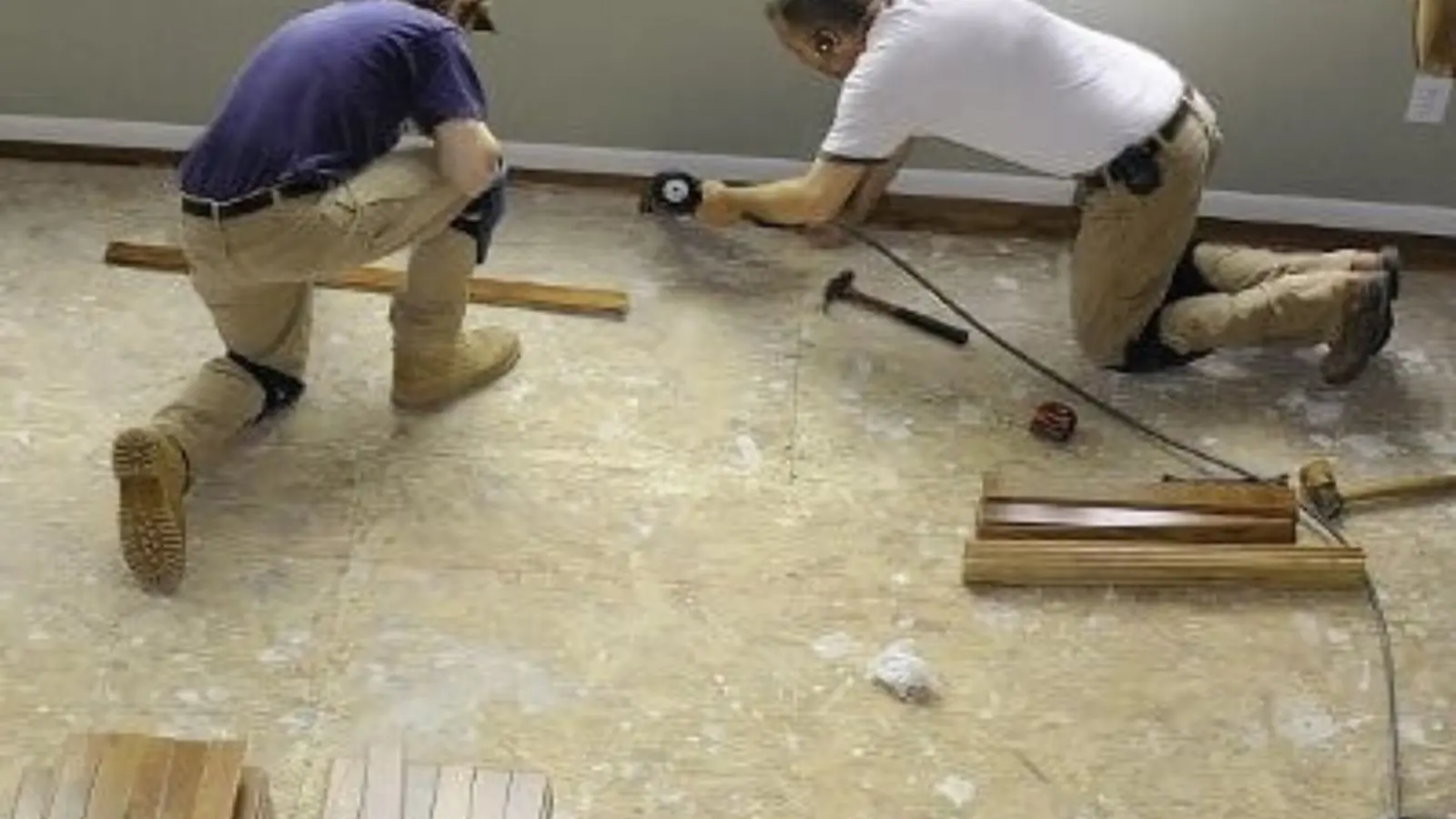
Repair is the rebuild stage, and it comes after the water has been stopped and the structure has dried. If the damage is still active, start with water mitigation so you do not close up wet walls. This page covers what repair involves, how the common problems are fixed and what shapes the price.
The line is open 24/7, and someone can talk through your situation at any hour. Most repair work is planned rather than urgent, but a ceiling that is sagging or a wall that is soft deserves a call right away.
Ceiling and wall water damage repair
Ceilings and walls are where most water damage shows up. A roof leak or an upstairs plumbing failure puts a brown stain on a ceiling. Water that moves down inside a wall can bubble paint, open seams and leave a soft spot or even a hole as drywall breaks down.
Repair starts by checking that the structure is dry with a moisture meter. Damaged drywall is cut back to sound material, wet insulation is replaced, and new board is hung, taped, textured and painted to match. Stain-blocking primer matters because a stain bleeds through ordinary paint.
A collapsed ceiling is a safety problem first. Stay out from under it, shut off power to the room if you can do so safely and call the line. The crew takes down the unsafe section before repair can begin.
| What you see | What it often means | Typical repair |
|---|---|---|
| Brown ring on the ceiling | Water from above, possibly a roof or plumbing leak | Locate and stop the source, dry, replace or seal and repaint. |
| Bubbling or peeling paint | Moisture inside the wall | Open the wall, dry it, replace damaged drywall. |
| Soft spot or hole in drywall | Drywall has broken down | Cut out, patch with new board, tape and finish. |
| Warped baseboard or trim | Water reached the floor line | Remove, dry the wall base, replace trim. |
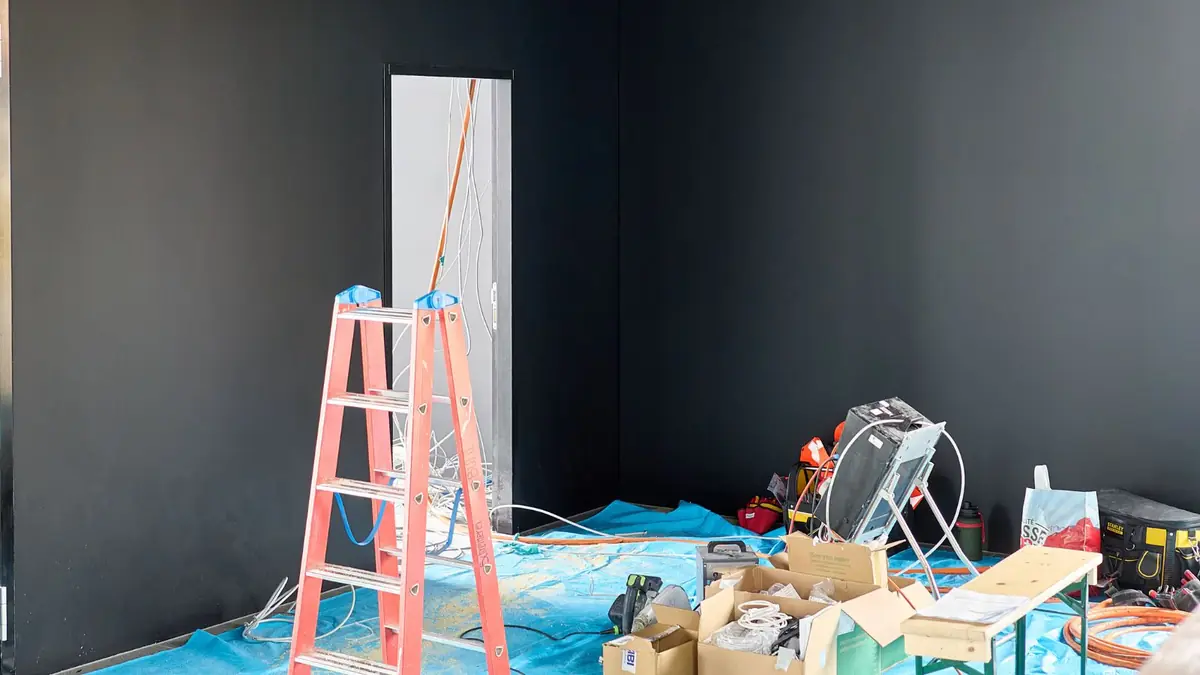
Hardwood floors that are cupping
Cupping happens when the edges of boards rise higher than the centers after absorbing moisture from below. Common causes include a leaking dishwasher, a washing machine valve failure, a condensate line that backs up and plumbing under the floor. The right first move is to find and fix the moisture source.
A floor that cupped from a one-time event can sometimes be dried with specialized mats and may flatten with time. A floor that has been wet for weeks may need sanding or board replacement. Dense hardwoods dry slowly, so patience and moisture readings matter more than speed.
Roof leaks and the winter rain peak
San Pedro gets most of its rain from January through March, which is when roof flashing, skylights and old shingles show their weak spots. A roof leak shows up first as a drip in an attic or a stain on an upper ceiling. The roofer fixes the entry point, and the interior is repaired after the structure has dried.
Do not paint over a stain before the wood and drywall behind it are dry, since trapped moisture produces peeling paint and can feed mold. Ask for a moisture reading before the repair is closed up.
Repair options and honest trade-offs
Spot repairs cost less, but they only work if the material around the damage is sound. Replacing a full wall or ceiling section costs more and avoids hidden problems. For floors, a repair that matches existing boards usually needs a finish match, and a partial repair may leave a visible line.
A good scope explains which option is being priced and why. If a crew only gives you a lump sum, ask for the breakdown before you agree.
What shapes the price of repair
| Factor | What changes | Why it matters |
|---|---|---|
| Damage area | Square footage of ceiling, wall and floor | More area means more materials and labor. |
| Materials | Drywall, plaster, hardwood, cabinets | Plaster and hardwood cost more to match. |
| Water category | What the water carried | Contaminated water means more removal before rebuild. |
| Finish match | Paint, texture, stain | Matching an older finish takes extra steps. |
| Access and height | Stairs, high ceilings | Hard access adds time. |
Repair is often part of an insurance claim when the damage was sudden and accidental, and slow leaks are often excluded. Ask your insurer about your policy, keep your photos and written scope, and compare the scope with the adjuster's estimate. Approval cannot be promised.
Crews also handle repair for homes in Torrance, where just over half of occupied homes are owner-occupied and repairs often move straight from drying into rebuild. For active leaks, see emergency water removal.
Want your real number? Call and describe the damage. Scope and price are explained before work starts.
☎ Call (424) 550-5662Questions about water damage repair
How soon can repair start after drying?
Repair starts when moisture readings confirm the structure is dry. That is usually after the equipment is removed, and the crew will tell you when readings are in range.
Can I paint over a water stain?
Not until the area behind it is dry. Painting over moisture traps it, so primer and paint can fail and mold can start.
Will my hardwood floor flatten after cupping?
Sometimes. If moisture is removed and boards are not permanently deformed, cupping can ease over weeks. Severe cupping may need sanding or board replacement.
Do you repair roof leaks?
The roof itself needs a roofer. After the roof is fixed and the interior is dry, the interior damage is repaired as described here.
Is repair covered by insurance?
It may be, if the damage was sudden and accidental. Check your policy and ask your insurer before work begins.