
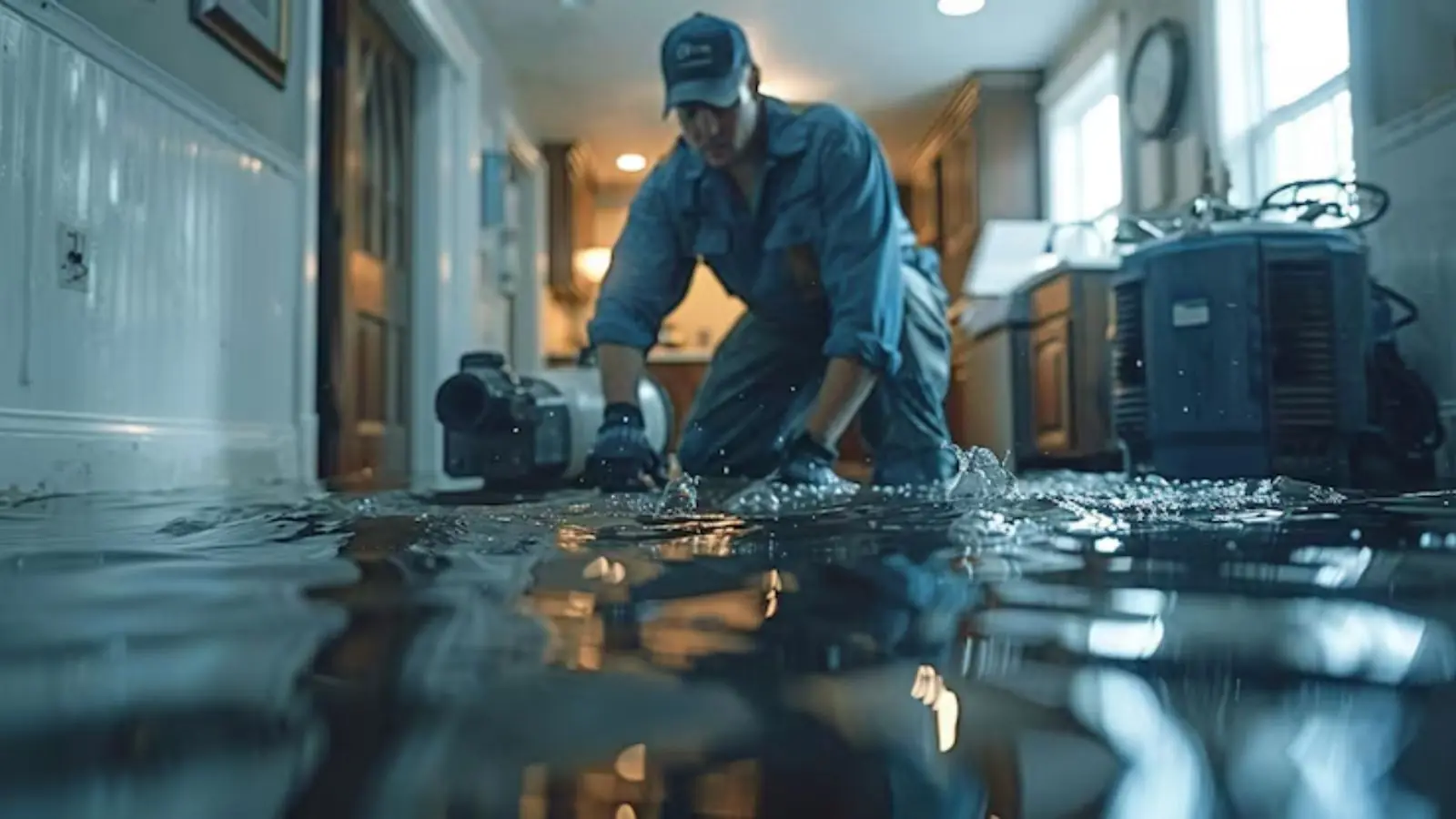
The first 48 hours after water damage are the cleanup window, and the sooner wet debris leaves the building the less odor and bacteria stay behind. The 24/7 emergency line takes calls at any hour. Until a crew arrives, keep people and pets out of wet rooms, open windows where it is safe, and do not use a household vacuum on wet carpet.
Cleanup comes after the source is stopped and standing water is out. If water is still on the floor, start with emergency water removal, and when the building is dry the repair page covers the rebuild.
What counts as cleanup, and what does not
Cleanup is the removal and cleaning stage. It covers pulling wet carpet and padding, cutting out soaked drywall, removing damaged insulation, bagging debris and cleaning surfaces with antimicrobial products. It also includes deodorizing and, when contents are affected, sorting what can be cleaned from what must go.
It does not include drying the structure, which is mitigation, or rebuilding, which is repair. Many jobs run all three, but an honest estimate separates them so you can see what each step costs.
| Material | Wet with clean water | Wet with contaminated water |
|---|---|---|
| Carpet padding | Usually removed | Removed |
| Carpet | Often dried in place | Usually removed |
| Drywall | May dry in place if caught early | Cut out above the water line |
| Hardwood or laminate | Dried with specialized equipment when possible | Often removed |
| Tile and concrete | Cleaned and dried | Cleaned and sanitized |
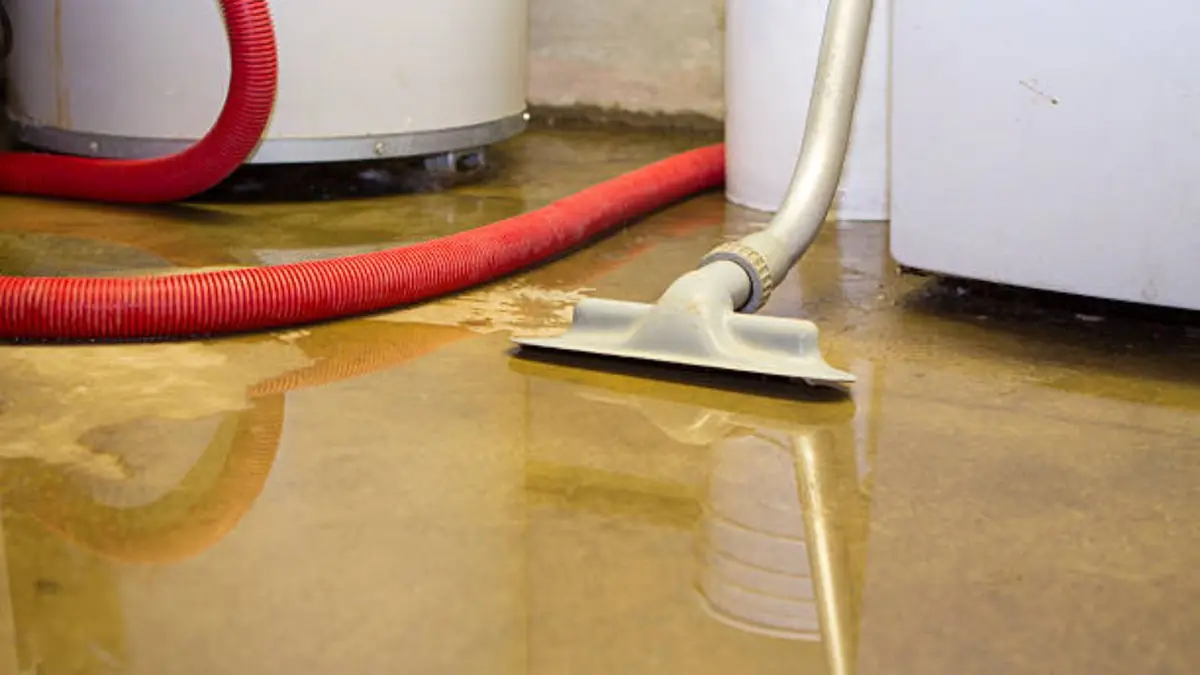
Emergency window: the first 48 hours after water damage
You can help by moving small items to a dry room, taking photos before anything is thrown away and writing a list of damaged contents. Do not run a regular vacuum on wet floors and do not heat the house to bake out the water. High heat without dehumidification pushes moisture into walls.
Leave removal of drywall and flooring to the crew when water has been wet or contaminated. Those materials can carry bacteria, and dust from old buildings may contain materials that deserve care. A trained crew uses protective gear and containment so the mess stays in the work area.
Sanitizing and odor control
After debris is out, surfaces are cleaned and treated with an antimicrobial product that matches the surface and the water category. Deodorizing may use air filtration and treatments that go beyond air fresheners, which cover smells without removing the source.
A lingering musty smell after cleanup is a signal to check for hidden moisture, not to add fragrance. Ask the crew to read the walls and subfloor again. If growth has started, the next step is described on the mold remediation page.
Contents and belongings
Furniture, clothes and electronics respond differently to water. Hard items such as plastic, metal and glass are cleaned and returned. Soft goods like mattresses and upholstered chairs that sat in contaminated water are usually discarded. Photograph each item first, since your insurer will ask for a list.
Apartment and condo residents should tell the property manager the same day, because a leak in one unit often reaches the unit below. Fort MacArthur housing and downtown San Pedro buildings follow their own reporting rules, so ask your manager about the process.
What shapes the price of cleanup
| Factor | What changes | Why it matters |
|---|---|---|
| Water category | Clean to contaminated | Contaminated water means more disposal and cleaning steps. |
| Amount of debris | Flooring and drywall removed | More removal means more labor and disposal. |
| Materials | Carpet, wood, plaster | Some cannot be saved. |
| Contents | Sorting, cleaning, storage | Contents work is scoped separately. |
| Follow-on work | Drying and repair | Priced as separate stages. |
Insurance treatment varies by policy. Sudden and accidental losses are often covered, gradual leaks often are not, and flood needs separate flood coverage. Keep photos, a contents list and receipts, and ask your insurer about the process. The crew can provide a written scope, and no approval can be promised.
Cleanup work also takes place in nearby areas such as Harbor City, where census figures show about half of households rent, so landlord and tenant paperwork often comes into play.
Want your real number? Call and describe what is wet and how long it has been wet. Scope and price are explained before work starts.
☎ Call (424) 550-5662Questions about water damage cleanup
Do you handle water damage cleanup emergencies at night or on weekends in San Pedro?
Yes. The emergency line is answered 24/7, and same-day response is offered when available. Wet debris is time sensitive, and after-hours bookings are routine.
Can I clean up water damage myself?
Small clean-water spills on hard floors, yes. Anything involving soaked drywall, padding or contaminated water should be handled by trained crews with protective gear.
Will the smell go away after cleanup?
It should, once wet materials are out and the structure is dry. A smell that comes back is a reason to ask for moisture readings again.
What happens to my belongings?
Hard items are usually cleaned. Soft goods exposed to contaminated water are often discarded. Photograph everything first so your insurer has a list.
Is cleanup the same as drying?
No. Cleanup removes debris and cleans surfaces. Drying brings the structure back to dry standards, which is explained on the water mitigation page.