
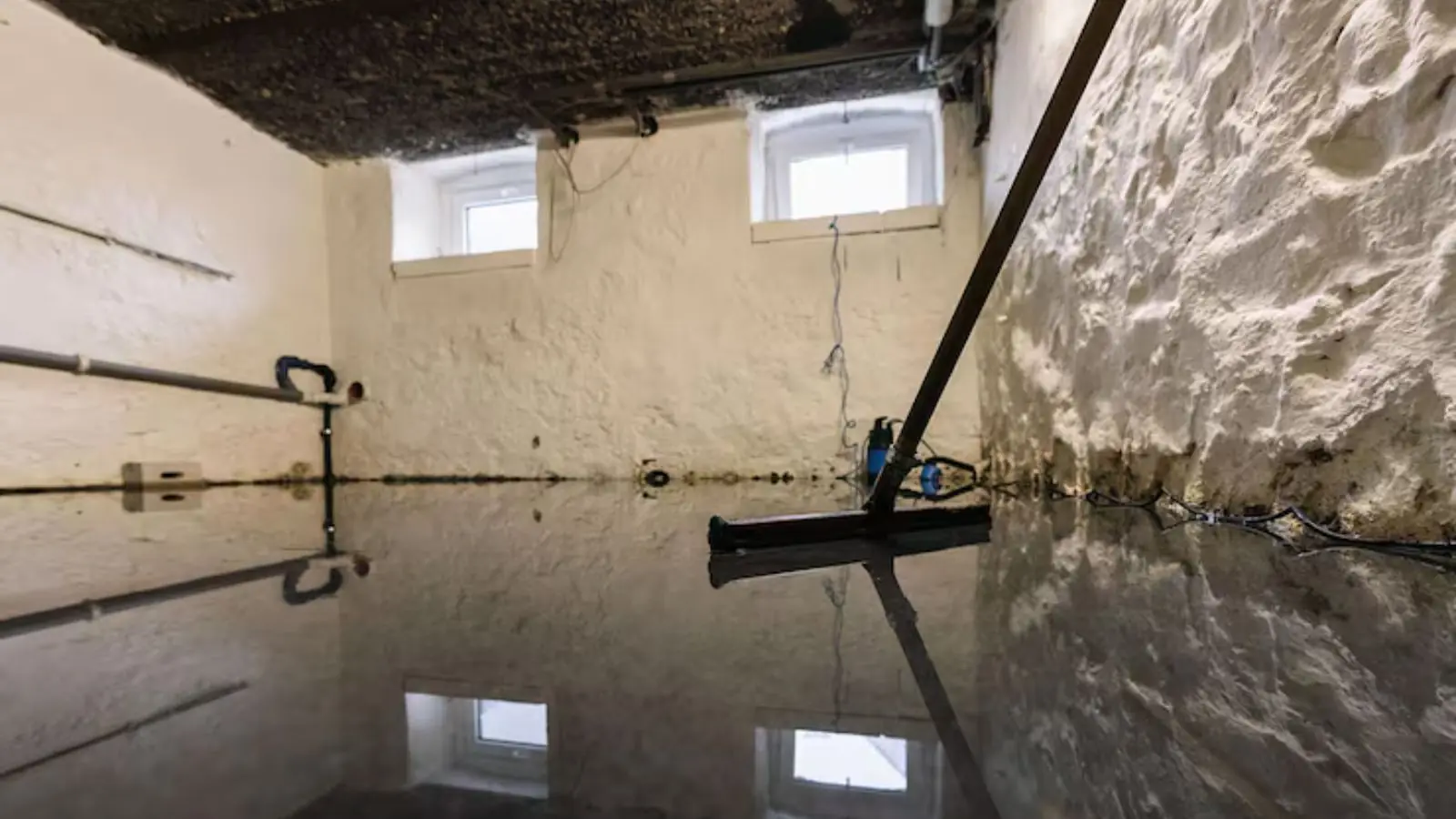
Anyone who quotes a flat number for water damage in a basement without seeing it is guessing. The real cost depends on how much water came in, what kind it was, what the room is made of and how long it stayed. This guide explains each factor and shows how to read an estimate.
If your home does not have a basement, the same logic applies to a lower-level garage room, a finished downstairs space or a crawl space. If water is still standing, call first and read later, because the longer water sits the more the scope grows.
The cost factors, in order of impact
| Factor | What changes | Why it matters |
|---|---|---|
| Water category | Clean, gray or contaminated | Sewage or storm water means removal and sanitizing, which adds steps. |
| Depth and area | Inches of water and size of the room | Larger volume takes more pumping and drying equipment. |
| Time wet | Hours versus days | Longer soaking harms more materials. |
| Materials | Carpet, drywall, studs, concrete, stored contents | Porous materials are often removed. |
| Access | Stairs, tight doorways | Hard access slows work. |
| Rebuild scope | Finishes, flooring, paint | Repair is separate from drying. |
How a scope is built
A good scope breaks the job into stages. Extraction removes the standing water. Mitigation sets equipment and drying days. Cleanup removes ruined materials. Repair rebuilds the finishes. You should see each stage with its own line so you can compare bids.
Ask for the number of air movers and dehumidifiers, the expected drying days and the moisture reading targets. Ask whether the price changes if drying takes longer. A written scope that answers these is worth more than a lower price that does not.
What often adds cost late
- Hidden water inside walls found after the first inspection.
- Contaminated water that was not identified at the start.
- Mold that appears because drying started late.
- Electrical or plumbing repairs that are discovered when walls open.
You can reduce surprises by calling early, documenting the water source and agreeing on how change orders will be handled. The cleanup page explains what removal covers, and the flood restoration page covers storm and groundwater events.
San Pedro note: slopes, runoff and flood maps
San Pedro is hilly. A short stretch of 28th Street between Gaffey Street and Peck Avenue climbs at a 33 percent grade, and steep streets move rain runoff quickly toward lower properties. If your garage or lower room sits below street level, plan for water to arrive fast in a heavy storm.
To see whether your address is in a mapped flood zone, search the FEMA Flood Map Service Center. Flood damage is usually excluded from a standard homeowners policy, so ask your insurer about separate coverage. Sewer backups inside a building belong to your plumber and to the city sanitation bureau if the main is blocked.
Insurance and your basement
Sudden and accidental water from inside the home, such as a burst pipe, is often covered. Groundwater and storm flooding usually are not without flood coverage. Gradual seepage is often excluded. Read your policy and ask your insurer. Keep photos, moisture readings and every invoice together. No company can promise approval.
Neighbors in Wilmington and Lomita ask the same questions, and the answer is the same: it depends on the source and the policy.
How to compare two written bids
- Check that both cover the same rooms and the same materials.
- Look for the drying equipment days and the number of readings taken.
- See whether demolition, disposal and rebuild are listed separately.
- Ask what happens if hidden damage is found after walls open.
- Confirm who handles permits if structural work is needed.
A lower number is not always a smaller scope. Ask each company to explain the difference line by line. A bid that leaves out drying readings or disposal often grows later. Keep photos from before work starts so any change can be compared against the original condition.
Ways to keep the cost down
- Call quickly, since drying costs less than rebuilding.
- Move belongings out of the wet area to reduce what must be cleaned.
- Take photos before anything is thrown away.
- Ask which items can be dried instead of replaced.
- Approve a written scope before the work starts.
Speed is the biggest lever. Water that sits for days soaks into framing and insulation, and each extra day adds equipment time and material that must be removed. The first call matters more than the last negotiation.
Ask also how the company bills for equipment that runs longer than planned. A clear answer before work starts prevents a surprise later, and a company that explains its method is usually easier to work with when a scope changes.
Want a real number? Describe the water and the room. Scope and price are explained before work starts.
☎ Call (424) 550-5662Questions about basement repair costs
Why can nobody quote a flat price?
The cost depends on water category, area, time wet and materials, and those are not known until the room is assessed.
Is waterproofing included in restoration?
No. Restoration repairs damage. Waterproofing stops future entry and is a separate trade.
Do San Pedro homes commonly have basements?
Some do, and many have lower-level garages or crawl spaces. The same drying logic applies to all of them.
Can I save money by drying it myself?
Equipment alone does not tell you where water went. Moisture readings do, and they prevent costly rework.
Will my homeowners policy cover groundwater?
Usually not. Ask your insurer about flood coverage and your options.